
Work Programme 2025–2027
Rationale
The main objective of the Task 37 work programme is to address the challenges related to the economic and environmental sustainability of biogas production and utilisation. While there are many biogas plants in OECD countries, operation in the vast majority of cases can only be sustained with the help of subsidies to be able to compete with the fossil energy industrial sector. There is a clear need to enhance many of the process steps in the biogas production chain in order to reduce both investment and operating costs. This enhancement is now also required to effect significant decarbonisation and meet stringent sustainability criteria.
Target Audience
The outputs of Task 37, including publications and webinars, are designed to support a broad range of stakeholders involved in the biogas sector. These include policy makers, investors, biogas associations, plant operators, agricultural communities and farmers, technology providers and manufacturers, regulatory authorities, and the scientific community.
Unlocking the Potential of Anaerobic Digestion Systems
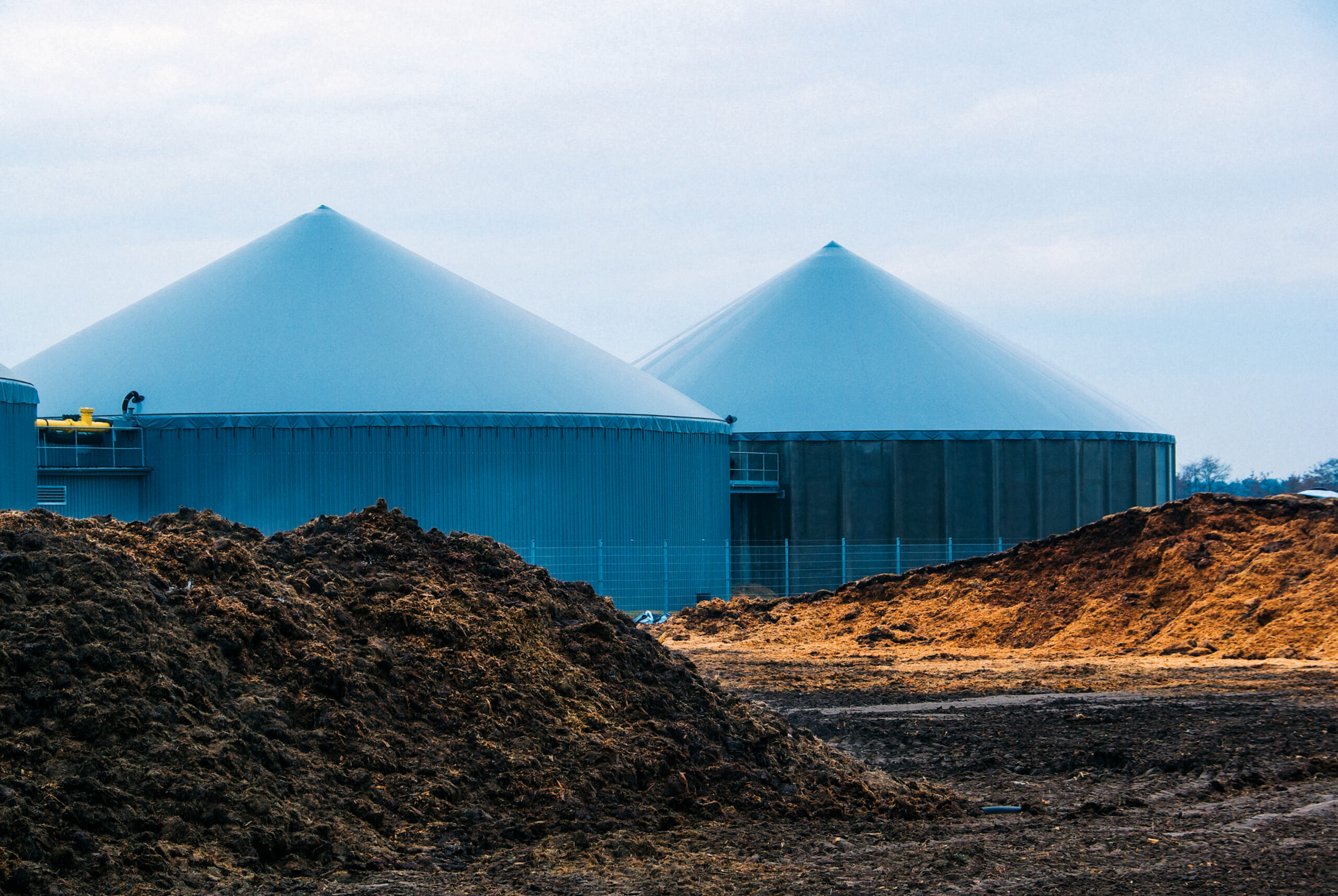
Anaerobic digestion (AD) plays a vital role in sustainable waste and wastewater management, as well as in agricultural systems. As a cornerstone technology for both energy recovery and nutrient recycling, AD contributes significantly to circular economy goals and climate resilience. Across participating countries, the development and implementation of the multifunctional AD technologies vary widely — reflecting a rich diversity of approaches, regulations, and innovations. This diversity presents a unique opportunity: by sharing experiences and insights, we can collectively accelerate progress, improve performance, and identify best practices tailored to different regional contexts.
Task 37 benefits from a strong and geographically diverse membership, making it an ideal platform for knowledge exchange and collaboration. Whether you’re advancing AD technologies, optimizing existing systems, shaping supportive policy frameworks, or you’re doing research, the expertise and perspectives within this group provide valuable support for making anaerobic digestion systems thrive. AD systems are key enablers of clean energy, resource recovery, and a more sustainable future.
Our Objective: Advancing Knowledge and Innovation in Anaerobic Digestion Systems
The objective of this work group is to collect, communicate, and advance knowledge on anaerobic digestion (AD) systems and their broad spectrum of multifunctional applications. AD technologies are examined not only as renewable energy solutions but as integral components of circular economy processes. Key areas of focus include the optimization of microbial conversion processes, the integration of AD systems in waste and wastewater management, and their role in sustainable agricultural practices. Emphasis is placed on evaluating the economic, environmental, and socio-economic sustainability of AD systems, highlighting their value far beyond energy provision.
By fostering international collaboration and interdisciplinary exchange, this initiative supports the continued development and deployment of efficient, resilient, and scalable AD solutions to meet global sustainability challenges.
Challenges
Biogas technology can be seen as proven technology with thousands applications and numerous variants to handle specific site conditions. On the other sider there is still a vast potential of unused substrates which are available for a non-competitive and sustainable energy provision. The differences in the development worldwide are also mirrored in the task. In the extremes some countries are still struggling to set concise conditions for the start of a sector development, others as for instance Germany discuss what to do next with a sector with 10 000 plants in operation. As stated above, costs, acceptance and sustainability are the major points in the ongoing debate about biogas. The topics for the new triennium face these challenges and provide expert evidence in areas where biogas systems offer integrated and innovative solutions – which have benefits beyond pure energy provision. Renewable gas and in particular biomethane offer a carbon neutral energy carrier for sectors which cannot be substituted by electricity. It is obvious that biogas applications will not satisfy the energy demand of a whole nation. But we believe that the future energy system will be decentral, diverse and demanding a high flexibility; biogas can play a significant role in there. Evidence and advice is needed to ensure best practice and compliance with stringent sustainability criteria, whilst ensuring minimum cost of energy. An overarching challenge is the communication of the evidence to highlight the benefits of the biogas industry.
2025–2027 Work Programme Overview
The 2025–2027 Work Programme addresses key topics to support and advance anaerobic digestion (AD) systems globally. The focus areas reflect current challenges, opportunities, and technological developments in the biogas sector.
Key Focus Areas:
Sustainability of Biogas Systems
- Continued emphasis on the broader sustainability impacts of biogas beyond energy
- Contributions to waste and resource management
- Nutrient recycling and soil health
- Socio-economic and environmental benefits
Digestate Management
- As biogas production grows, effective digestate use becomes increasingly important
- Policy, regulatory and standardization frameworks for field application
- Best practices, challenges, and actionable recommendations
- Renewed attention following earlier work in previous triennia
Economics & GHG Abatement Costs
- Improved understanding of the financial and environmental performance of AD systems
- Compilation and comparison of cost assessments across member countries
- Estimation of marginal greenhouse gas (GHG) abatement costs
Microbial Monitoring in Digesters
- Leveraging advances in DNA sequencing to improve digester performance
- Use of modern microbial community monitoring techniques
- Application potential due to reduced costs and increased sample throughput
Small-Household-Scale and Community Biogas Systems
- Highlighting the potential and challenges of decentralized solutions
- State-of-the-art technologies and real-world success stories
- Key performance barriers and opportunities for improvement
Synergies with E-Fuel Production
- Exploring integration opportunities between biogas systems and emerging e-fuel technologies
Ongoing outreach activities:
Communication & Dissemination outreach through:
- Newsletters
- Webinars
- LinkedIn and digital platforms
- Knowledge Sharing & Country Updates
- Publication of country summaries and deployment reports
- Case stories highlighting best practices and innovative approaches